







Search Results for: hand-brew parameters
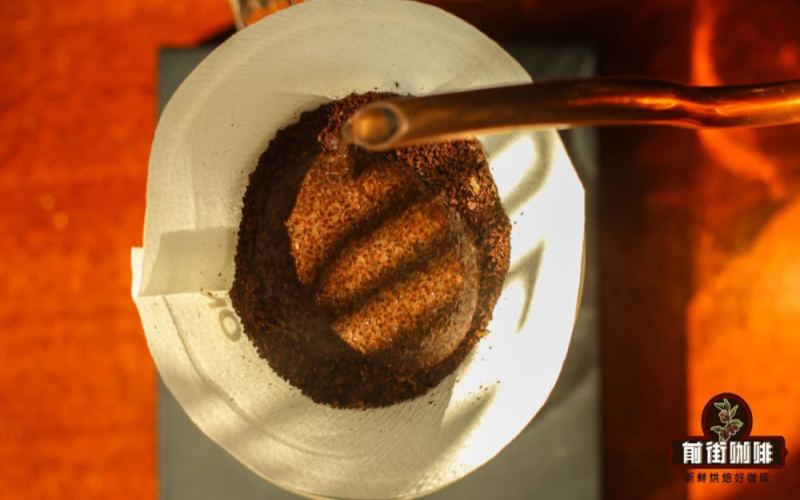
Single-Origin Pour-Over Beans for Beginners | What Are the Four Japanese Pour-Over Techniques? How Do Different Coffee Brewing Methods Affect Coffee Flavor?
Recently, many coffee-loving friends who come to Front Street Coffee to buy coffee beans have asked Front Street how to correctly brew pour-over coffee to bring out its best flavor. Front Street also often says that the process of pour-over coffee is a kind of enjoyment, and coffee brewed by one's own hands feels even more delicious on a spiritual level. So this Front Street article will introduce [more…]

Hand-brewed Blend Coffee Beans | Can Espresso Beans Be Used for Hand-brewed Coffee? How to Blend Single-Origin Beans for Hand-brewing? Hand-brewed Blend Bean Roasting Parameters and Flavor Introduction?
As autumn turns to winter and the weather gradually cools, Front Street Coffee created the Front Street Sunflower Warm Sun espresso blend, suited to espresso, quite some time ago. Following this line of thinking, Front Street also wanted to make a blended coffee bean suitable for autumn drinking and usable for pour-over coffee. Front Street Coffee (FrontStreet C [more…]
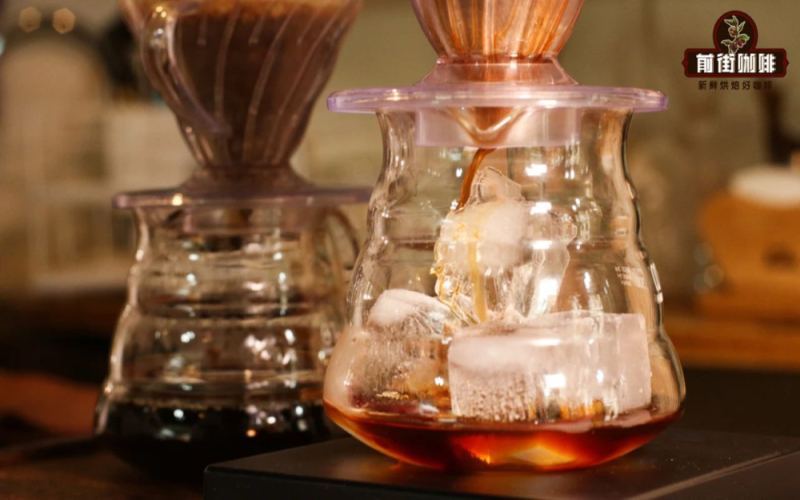
Comparison of Ice Addition Timing for Iced Hand-Brewed Coffee: An Analysis of Front Street's Japanese-Style Iced Hand-Brew Parameters and Sensory Differences
Should ice be added before or after brewing when making iced pour-over coffee? This question puzzles many coffee lovers. Front Street Coffee conducted a controlled experiment using 15 grams of Kaffa Forest coffee beans, a 1:10 coffee-to-water ratio, a water temperature of 90-91°C, and a grind setting of 9 on an EK43s grinder, testing two brewing sequences: ice added first and ice added last. The experiment found that after thorough shaking, the two methods performed quite similarly overall, but the coffee with ice added first tasted cleaner and more refreshing, while the one with ice added last had a more concentrated and intense aroma. The root of the difference lies in how much ice melts. This article will present the complete experimental parameters, step-by-step procedure, and sensory comparison results to help readers understand how the timing of ice addition affects the flavor of iced pour-over coffee. [more…]

Recommendations for Pour-Over Coffee Beans with Pronounced Sweetness and Rich Fruit Aroma: Balancing Budget and Drinking Frequency
From bean to cup, a coffee still has to go through grinding and extraction. When choosing hand-brewed coffee beans with pronounced sweetness and rich fruity aromas for everyday drinking, you need to consider how quickly you'll finish them, how much to buy at once, and whether your household mainly drinks black coffee or milk-based coffee. First confirm your usual brewing equipment and preferred taste, then compare specific beans, and put them to the test in practice. [more…]

What Kind of Pour-Over Coffee Beans Should Beginners Buy: Balancing Budget and Drinking Frequency
For beginners buying hand-brewed coffee beans, it's suitable to build judgment gradually from taste experience. When buying beans for daily use, you need to consider how quickly you'll drink them, how much to buy at once, and whether you mainly make black coffee or milk coffee at home. Flavor words on the packaging can provide clues, but they cannot replace the actual drinking experience—whether the acidity is mellow and whether the sweetness lingers. [more…]
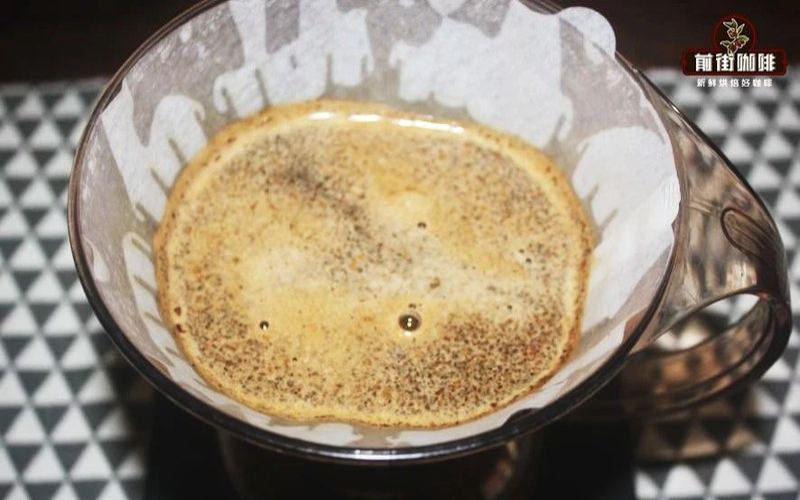
Pour-Over Single-Origin Coffee Recommendations: Balancing Budget and Drinking Frequency
From bean to cup, a coffee must still go through grinding and extraction. When it comes to hand-brewed single-origin coffee, your everyday bean buying needs to take into account how quickly you'll drink it, how much to buy at a time, and whether you mainly make black coffee or milk coffee at home. First confirm your usual equipment and preferred taste, then compare specific beans—your actual practice will have clearer direction. [more…]
A few recommended pour-over coffee beans with gentle acidity: balancing budget and drinking frequency
When it comes to hand-brewed coffee beans with a soft acidity, first consider how you'll be drinking them every day. For everyday bean purchases, you need to think about how quickly you'll go through them, how much to buy at once, and whether your household mainly drinks black coffee or milk coffee. If you mainly drink black coffee, you can pay more attention to aroma and aftertaste; if you often add milk, you need to consider whether the intensity and body can hold up. [more…]

Seven Elements of Hand-Brewed Coffee | Is the correct English for hand-brewed coffee "Hand Drip" or "Pour Over coffee"? What are the brewing methods for hand-brewed coffee?
What is the English for pour-over coffee? If translated literally, it could be rendered as "Hand coffee," but that term is definitely incorrect. Next, expressions like "Hand punch" are also common mistranslations. The correct term should be "Pour over coffee." Now, pour-over [more…]
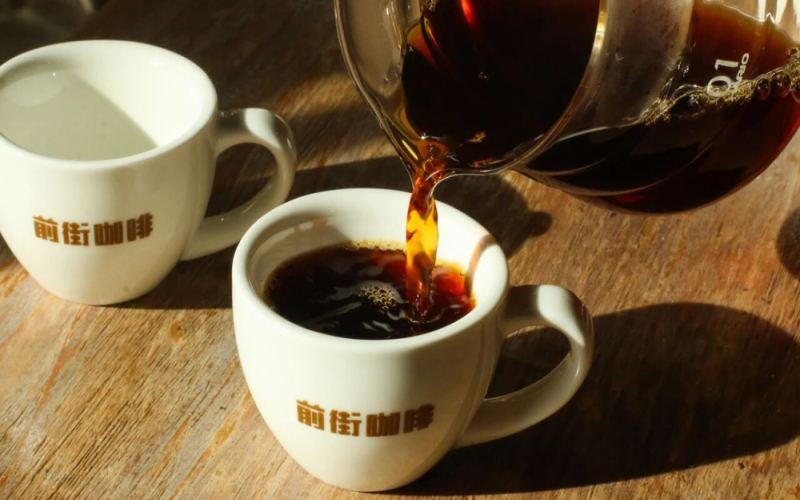
Front Street Coffee Washed Yirgacheffe Goting Hand-Brew Tutorial: Full Breakdown of Parameters, Flavor, and Origin
Yirgacheffe is one of Ethiopia's most representative specialty coffee regions, and its washed beans are deeply favored by enthusiasts for their clean and bright floral-fruity character. This article focuses on the washed Yirgacheffe Guddina Cooperative lot produced by Front Street Coffee, covering the region's processing methods, cupping flavor performance, and specific pour-over parameters and staged extraction techniques one by one. You will learn about the complete process of this coffee from fresh cherry picking, fermentation, and drying to export, as well as how to use a V60 dripper at a water temperature of 90-92°C with 15 grams of coffee, a 1:15 coffee-to-water ratio, and a 2-minute extraction time to consistently reproduce its classic flavors of citrus, honey, and floral aromas. Whether you are a beginner just getting into pour-over or an advanced brewer looking to refine your technique, this practical guide is worth referencing. [more…]
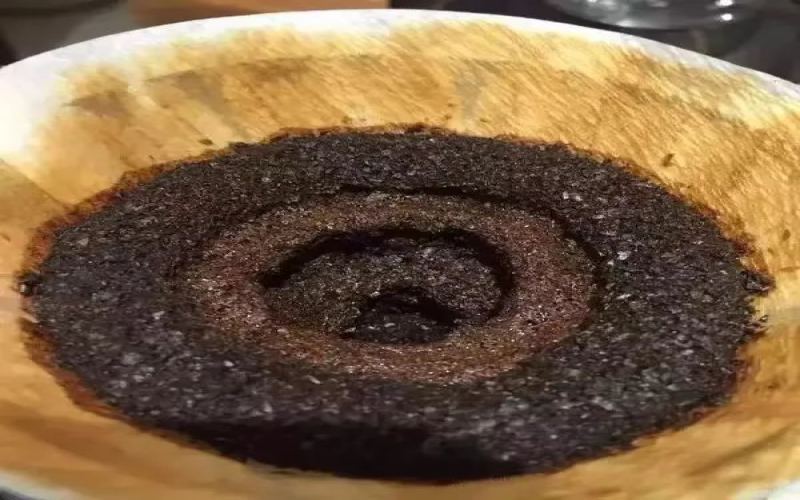
Meteor Pour-Over Method Explained: Hand-Brew Techniques and Parameters for Dark-Roasted, Intense, Bitter Coffee Beans
Deep-roasted coffee beans, due to their fluffy texture and strong water absorption, release a large amount of gas when they come into contact with water in their fresh state, which provides the conditions for a unique brewing method—meteor pour. This article provides a detailed introduction to the principles and operational steps of this pour-over technique, including key parameters such as grind size, water temperature, and coffee-to-water ratio, as well as the pouring details of the three stages: blooming, point pouring, and outward spiral. Front Street Coffee has pointed out that in a conical dripper, the coffee bed is thicker in the center, and pouring water in the center can extract a richer coffee liquid, so this method is especially suitable for medium-dark roasted beans and can highlight a rich, full-bodied taste. If you want to try a different pour-over experience, you might as well give it a try by following the steps. [more…]
Exploring the Origin of Pink Bourbon Coffee: Hand-Brew Parameters and Flavor Analysis of Colombia's Sunflower Estate
Pink Bourbon is a rare variety resulting from a cross between Red Bourbon and Yellow Bourbon, and it is especially prized due to its poor reproductive stability and extremely low yield. This Front Street Pink Bourbon washed bean comes from the Sunflower Estate in the Huila region of Colombia. On the palate, it has a bright red-fruit acidity reminiscent of Kenya, with jasmine and thyme notes emerging in the flavor. The estate processes the harvested cherries immediately, with both washing and drying completed on the rooftop, resulting in exceptionally high cleanliness. This article will guide you through the origin background and variety characteristics of Pink Bourbon, and share a specific V60 pour-over brewing recipe, including the coffee-to-water ratio, staged pouring, and time control, to help you fully unlock the flavor potential of this bean. [more…]
An Analysis of Kenyan AA Coffee Bean Flavor Characteristics, with Detailed Hand-Brew Grind Size, Water Temperature, and Coffee-to-Water Ratio Parameters
Kenyan coffee is renowned for its bright fruit acidity and vinous notes, with the AA grade standing as a benchmark in the specialty market. This article begins with Kenya's coffee industry system and grading and auction framework, outlining the background behind its flavor formation and export history, and focuses on the practical parameters for pour-over Kenyan AA, including grind size, water temperature, and coffee-to-water ratio. It also draws on Front Street Coffee's product recommendations to help coffee enthusiasts brew a layered, well-balanced cup of Kenyan coffee at home. [more…]
High-Value Specialty Hand-Brewed Coffee Beans | How to Brew Single-Origin Beans as Hand-Drip Black Coffee with High Sweetness? Where Does the Sweet Aroma of Hand-Brewed Coffee Beans Come From?
To some people, black coffee is bitter; to others, it's sour. But if you hear someone say, "Wow, this cup of coffee is so sweet!" you'd probably think to yourself, "How could black coffee possibly be sweet?" As Front Street has explained in the article analyzing the chemical composition of green coffee beans, the sucrose in green coffee beans, [more…]
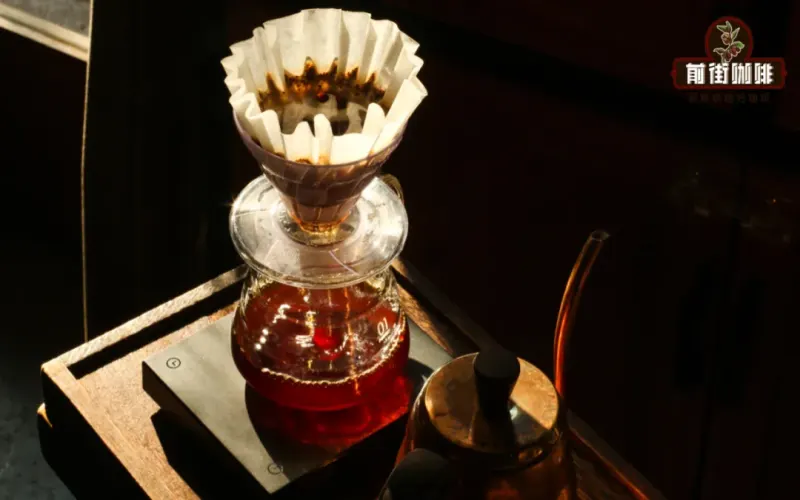
How to Adjust Hand-Brewed Coffee Strength and Extraction Yield? A Detailed Explanation of How Coffee-to-Water Ratio Affects Flavor and Mouthfeel
Among the many variables in pour-over coffee, strength and extraction yield are the core indicators that directly determine whether a cup of coffee tastes good. The strength level affects the body and the intensity of flavor, while the coffee-to-water ratio is the key lever for adjusting strength. But changes in water volume also affect the extraction yield, making adjustment complicated. Starting from Front Street's brewing practice and using Huakui coffee as an example, this article explains clearly the relationship among coffee-to-water ratio, strength, and extraction yield, and offers specific ideas on how to simultaneously correct other parameters when making it stronger or weaker, helping you brew a pot that suits your taste more efficiently. [more…]
How to Determine the Grind Size for Hand-Brewed Blue Mountain Coffee? A Detailed Guide to the Little Fuji Setting 4 Parameters and How to Identify Authentic Blue Mountain
Blue Mountain coffee is hailed as the benchmark of the coffee world, but many people are unclear about how fine the grind should be for pour-over, what water temperature to use, and how to pair it with different brewing devices. This article focuses on a 4-degree grind on the Little Fuji grinder, organizing everyday brewing parameters for drippers such as V60, Kalita, and KONO, while also adding extraction suggestions for French press, siphon, and AeroPress. The article will also clarify a common misconception: the large number of so-called "Blue Mountain flavor" and "Blue Mountain blend" coffees on the market actually have nothing to do with real Blue Mountain—they are simply blended beans that imitate the flavor. Finally, from four dimensions—appearance, grinding feel, aroma, and taste—it teaches you how to identify genuine versus fake Blue Mountain, and retains relevant recommendation information for Front Street Coffee Blue Mountain. [more…]
A Guide to Buying Hand-Brewed Coffee Beans: Balancing Budget and Drinking Frequency
Hand-brewed coffee beans are best approached by gradually building your judgment from taste experience. When buying beans for daily use, you need to consider how quickly you'll drink them, how much to buy at a time, and whether you mainly make black coffee or milk coffee at home. The flavor words on the packaging can offer clues, but they cannot replace the actual drinking experience—whether the acidity is mellow, whether the sweetness lingers, and whether the mouthfeel is smooth. [more…]
How to Choose Hand-Brewed Coffee Beans by Roast Level
The roast level of hand-brewed coffee beans determines where the flavors in the cup unfold. Light roasts make floral and fruity notes easier to perceive, medium roasts connect sweetness, acidity, and body, while dark roasts bring cocoa, nut, and roasted aromas. For ordinary consumers, choosing according to the flavors they like and how they usually drink coffee matters more than looking only at [more…]

How Much Does the Speed of Circular Pouring in Hand-Brewed Coffee Actually Affect the Extracted Flavor?
Among the many variables in pour-over coffee, pouring technique is often overlooked by beginners, yet it has a significant impact on the final flavor. The speed of the circular pour is essentially equivalent to the amount of agitation applied to the coffee bed, so how much difference can it actually make to the taste of the coffee? Front Street conducted comparative experiments using washed Yirgacheffe and dark-roasted Golden Mandheling, measuring concentration and extraction yield and combining this with actual tasting to verify the effect of different pouring speeds on flavor. This article will present the parameters and results of both experiments in full, and further explore the role that agitation intensity plays when conditions such as grind size are changed. [more…]

Why Does Hand-Brewed Dark Roast Coffee Taste Bitter? A Comprehensive Analysis from Roasting Principles to Extraction Parameters
Today, on pourover coffee menus, acidic beans dominate the mainstream, yet a group of veteran enthusiasts remains steadfastly devoted to the bitter flavors of dark-roasted coffee. Where exactly does this bitterness come from? How does the degree of roast influence the flavor trajectory of coffee? The nutty aroma, rich body, and bittersweet finish unique to dark-roasted beans are an experience that light-roasted beans find hard to replicate. Of course, a delicious cup of dark-roasted coffee also depends on proper brewing methods. Starting from the principles of roasting, this article analyzes the unique charm of dark-roasted bitter coffee, and using Golden Mandheling as an example, shares key parameters such as water temperature, grind size, dripper selection, and pouring technique, helping you brew a gentle, smooth dark-roast pourover at home. [more…]
Detailed Guide to Pour-Over Parameters for Brazil Queen Estate Yellow Bourbon Coffee Beans: Water Temperature, Grind Size, Coffee-to-Water Ratio, and the Full Three-Pour Brewing Process
Brazil, as the world's largest coffee producer, may not often feature specialty beans in cafés, but the Yellow Bourbon coffee beans from Queen Farm have won the favor of many enthusiasts with their balanced taste and nutty, cocoa-like notes. In this article, Front Street Coffee uses Queen Farm coffee beans as an example to systematically explain how to hand-brew this rich and sweet Brazilian coffee at home from four dimensions: water temperature, grind size, coffee-to-water ratio, and brewing technique, along with complete brewing parameters and a step-by-step process. [more…]